
Contents
- 🌎 Introduction to Escalating Tensions
- 🚢 The Strategic Importance of the Hormuz Strait
- 🕊️ Historical Context: Iran and Israel
- 🚀 Recent Developments: Attacks and Retaliation
- 🌈 International Reactions and Diplomacy
- 📊 Economic Implications: Oil and Trade
- 🔪 Military Build-up and Preparation
- 💣 The Role of the United States
- 🤝 European Involvement and Mediation
- 📺 Media Coverage and Public Opinion
- 🔮 Future Prospects and Potential Outcomes
- Frequently Asked Questions
- Related Topics
Overview
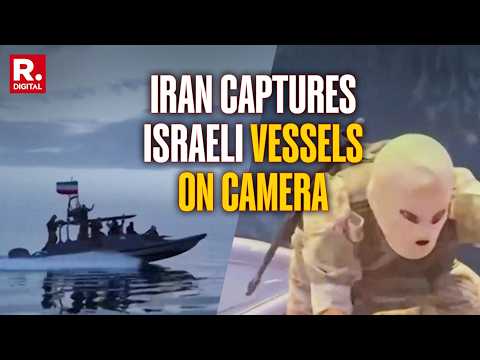
The conflict between Iran and Israel has been escalating, with increased attacks in Lebanon and ship seizures in the Hormuz Strait. On July 22, 2023, the Israeli military launched airstrikes against Iranian-backed militia targets in Lebanon, killing at least 5 people. In response, Iran's Revolutionary Guard seized two Greek oil tankers in the Hormuz Strait, sparking concerns about global oil supplies. The US and EU have condemned Iran's actions, while Russia and China have called for restraint. The situation remains volatile, with the potential for further escalation. As of August 2023, the US has deployed an additional 3,000 troops to the region, citing concerns about Iranian aggression. The conflict has significant implications for global energy markets, with the price of Brent crude oil increasing by 10% in the past month alone.
🌎 Introduction to Escalating Tensions
The escalating tensions between Iran and Israel have been a major concern for the international community, with the Hormuz Strait being a critical point of contention. The Hormuz Strait is a vital waterway that connects the Persian Gulf to the Gulf of Oman, and it is a crucial route for international oil trade. As discussed in Iran-US Relations, the relationship between Iran and the United States has been strained, which has contributed to the current tensions. The situation is further complicated by the involvement of other countries, such as United Arab Emirates and Saudi Arabia. The conflict has significant implications for global politics and economy, as analyzed in Global Politics.
🚢 The Strategic Importance of the Hormuz Strait
The Hormuz Strait is a narrow waterway that is approximately 90 nautical miles long and 21-25 miles wide. It is a critical chokepoint for international oil trade, with over 20% of the world's oil passing through it. The strait is also an important route for natural gas and other commodities. As explained in Oil and Gas Industry, the Hormuz Strait is a vital component of the global energy supply chain. The strategic importance of the strait has made it a focal point of tensions between Iran and its neighbors, including Oman and United Arab Emirates. The situation is closely monitored by international organizations, such as the International Maritime Organization.
🕊️ Historical Context: Iran and Israel
The historical context of the conflict between Iran and Israel is complex and multifaceted. The two countries have been sworn enemies since the 1979 Iranian Revolution, and they have been involved in numerous proxy wars and skirmishes over the years. As discussed in Israeli-Palestinian Conflict, the conflict has significant implications for the Middle East peace process. The situation is further complicated by the involvement of other countries, such as Syria and Lebanon. The conflict has significant implications for global politics and economy, as analyzed in Middle East Politics. The role of Hezbollah and other militant groups has been a major point of contention between Iran and Israel.
🚀 Recent Developments: Attacks and Retaliation
Recent developments have seen a significant escalation of tensions between Iran and Israel. In May 2019, four oil tankers were attacked in the Gulf of Oman, which was blamed on Iran by the United States and its allies. As explained in Gulf of Oman, the incident has significant implications for international shipping and trade. The situation has been further complicated by the involvement of other countries, such as China and Russia. The conflict has significant implications for global politics and economy, as analyzed in International Relations. The role of Iranian Revolutionary Guard Corps has been a major point of contention between Iran and its neighbors.
🌈 International Reactions and Diplomacy
The international community has been actively involved in trying to de-escalate the tensions between Iran and Israel. The European Union has been a key player in this effort, with countries such as France and Germany taking a leading role. As discussed in European Union, the organization has significant experience in mediating international conflicts. The situation is further complicated by the involvement of other countries, such as United Kingdom and Italy. The conflict has significant implications for global politics and economy, as analyzed in Global Governance. The role of United Nations has been a major point of contention between Iran and its neighbors.
📊 Economic Implications: Oil and Trade
The economic implications of the conflict between Iran and Israel are significant. The Hormuz Strait is a critical route for international oil trade, and any disruption to shipping in the region could have major consequences for the global economy. As explained in Oil Prices, the conflict has significant implications for the global energy market. The situation is further complicated by the involvement of other countries, such as China and India. The conflict has significant implications for global politics and economy, as analyzed in International Trade. The role of OPEC has been a major point of contention between Iran and its neighbors.
🔪 Military Build-up and Preparation
The military build-up and preparation in the region have been a major point of concern for the international community. Iran has been accused of developing ballistic missiles and other advanced military capabilities, which has raised concerns about the country's intentions. As discussed in Iranian Military, the country's military capabilities are a significant factor in the region. The situation is further complicated by the involvement of other countries, such as Israeli Military and US Military. The conflict has significant implications for global politics and economy, as analyzed in Military Strategy. The role of Cyber Warfare has been a major point of contention between Iran and its neighbors.
💣 The Role of the United States
The role of the United States in the conflict between Iran and Israel has been a major point of contention. The US has been a key player in the region, with a significant military presence and a long history of involvement in Middle East politics. As explained in US Foreign Policy, the country's actions have significant implications for the region. The situation is further complicated by the involvement of other countries, such as Israel and Saudi Arabia. The conflict has significant implications for global politics and economy, as analyzed in US Middle East Policy. The role of US Congress has been a major point of contention between Iran and the US.
🤝 European Involvement and Mediation
European countries have been actively involved in trying to de-escalate the tensions between Iran and Israel. Countries such as France and Germany have taken a leading role in this effort, with a focus on diplomacy and mediation. As discussed in European Foreign Policy, the EU has significant experience in mediating international conflicts. The situation is further complicated by the involvement of other countries, such as United Kingdom and Italy. The conflict has significant implications for global politics and economy, as analyzed in EU Middle East Policy. The role of EU Foreign Policy Chief has been a major point of contention between Iran and the EU.
📺 Media Coverage and Public Opinion
The media coverage of the conflict between Iran and Israel has been extensive, with a focus on the military and diplomatic aspects of the situation. As explained in Media Coverage, the conflict has significant implications for public opinion and international relations. The situation is further complicated by the involvement of other countries, such as China and Russia. The conflict has significant implications for global politics and economy, as analyzed in Public Opinion. The role of Social Media has been a major point of contention between Iran and its neighbors.
🔮 Future Prospects and Potential Outcomes
The future prospects and potential outcomes of the conflict between Iran and Israel are uncertain and complex. The situation is further complicated by the involvement of other countries, such as United States and European Union. As discussed in Geopolitics, the conflict has significant implications for global politics and economy. The role of International Institutions has been a major point of contention between Iran and its neighbors. The conflict has significant implications for the Middle East peace process, as analyzed in Middle East Peace Process.
Key Facts
- Year
- 2023
- Origin
- Middle East
- Category
- Geopolitics
- Type
- Geopolitical Conflict
Frequently Asked Questions
What is the Hormuz Strait and why is it important?
The Hormuz Strait is a vital waterway that connects the Persian Gulf to the Gulf of Oman, and it is a crucial route for international oil trade. The strait is approximately 90 nautical miles long and 21-25 miles wide, and it is a critical chokepoint for international oil trade, with over 20% of the world's oil passing through it. As explained in Oil and Gas Industry, the Hormuz Strait is a vital component of the global energy supply chain.
What are the historical roots of the conflict between Iran and Israel?
The historical context of the conflict between Iran and Israel is complex and multifaceted. The two countries have been sworn enemies since the 1979 Iranian Revolution, and they have been involved in numerous proxy wars and skirmishes over the years. As discussed in Israeli-Palestinian Conflict, the conflict has significant implications for the Middle East peace process. The situation is further complicated by the involvement of other countries, such as Syria and Lebanon.
What are the economic implications of the conflict between Iran and Israel?
The economic implications of the conflict between Iran and Israel are significant. The Hormuz Strait is a critical route for international oil trade, and any disruption to shipping in the region could have major consequences for the global economy. As explained in Oil Prices, the conflict has significant implications for the global energy market. The situation is further complicated by the involvement of other countries, such as China and India.
What is the role of the United States in the conflict between Iran and Israel?
The role of the United States in the conflict between Iran and Israel has been a major point of contention. The US has been a key player in the region, with a significant military presence and a long history of involvement in Middle East politics. As explained in US Foreign Policy, the country's actions have significant implications for the region. The situation is further complicated by the involvement of other countries, such as Israel and Saudi Arabia.
What are the potential outcomes of the conflict between Iran and Israel?
The future prospects and potential outcomes of the conflict between Iran and Israel are uncertain and complex. The situation is further complicated by the involvement of other countries, such as United States and European Union. As discussed in Geopolitics, the conflict has significant implications for global politics and economy. The role of International Institutions has been a major point of contention between Iran and its neighbors.
How does the conflict between Iran and Israel affect the Middle East peace process?
The conflict between Iran and Israel has significant implications for the Middle East peace process. As discussed in Middle East Peace Process, the conflict has significant implications for the region. The situation is further complicated by the involvement of other countries, such as Israel and Palestine. The conflict has significant implications for global politics and economy, as analyzed in International Relations.
What is the role of European countries in the conflict between Iran and Israel?
European countries have been actively involved in trying to de-escalate the tensions between Iran and Israel. Countries such as France and Germany have taken a leading role in this effort, with a focus on diplomacy and mediation. As discussed in European Foreign Policy, the EU has significant experience in mediating international conflicts. The situation is further complicated by the involvement of other countries, such as United Kingdom and Italy.