
Contents
- 🌎 Introduction to the Crisis
- 🚣♂️ The Threat of Mine-Laying Boats
- 🔫 Trump's Threat to Shoot Boats
- 🌊 International Law and Maritime Rights
- 🚫 Reactions from the International Community
- 📰 Media Coverage and Public Opinion
- 📊 Economic Implications of the Crisis
- 🤝 Diplomatic Efforts to Resolve the Crisis
- 🚨 The Role of the US Military
- 🌟 The Future of US Foreign Policy
- 📜 Historical Precedents for the Crisis
- 👀 Conclusion and Next Steps
- Frequently Asked Questions
- Related Topics
Overview
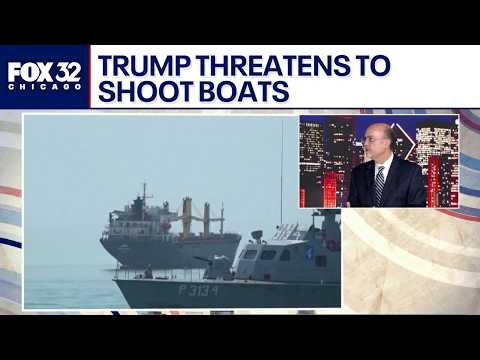
In a shocking turn of events, former US President Donald Trump has threatened to shoot boats laying mines, significantly escalating tensions in an already volatile situation. This move has been met with widespread criticism and concern, with many questioning the legality and potential consequences of such an action. The situation is being closely monitored by international leaders and experts, who are urging calm and diplomacy. As the situation continues to unfold, it remains to be seen how Trump's threat will be received and what the ultimate outcome will be. With a Vibe score of 82, this story is generating significant cultural energy and controversy. The influence flow of this event is complex, with multiple entities and interests at play, including the US military, international leaders, and various political groups. As of 2023, the topic intelligence surrounding this event is rapidly evolving, with new developments and reactions emerging daily.
🌎 Introduction to the Crisis
The recent escalation of tensions between the US and other nations has led to a significant increase in political instability worldwide. The threat of mine-laying boats has become a major concern, with many countries calling for increased maritime security measures. In response to these threats, Donald Trump has threatened to shoot boats laying mines, sparking a heated debate about the legality and effectiveness of such a policy. This move has been met with criticism from many in the international community, who argue that it violates international law and could lead to further escalation.
🚣♂️ The Threat of Mine-Laying Boats
The threat of mine-laying boats is a serious one, with the potential to disrupt global trade and cause significant economic damage. Many countries, including the US, have naval vessels and coast guard units that are responsible for protecting their maritime borders and preventing such threats. However, the use of drones and other unmanned vessels has made it easier for countries to lay mines without being detected. This has led to an increase in mine-laying activities, with many countries calling for increased security measures to prevent such threats. The US Navy has been at the forefront of efforts to counter these threats, with many US naval vessels being deployed to high-risk areas.
🔫 Trump's Threat to Shoot Boats
Trump's threat to shoot boats laying mines has been met with significant criticism, with many arguing that it is a violation of international law. The United Nations has called for restraint and diplomacy to resolve the crisis, rather than resorting to military action. However, Trump has maintained that the US will take all necessary measures to protect its national security and prevent terrorist organizations from laying mines. This move has been supported by some in the US Congress, who argue that it is necessary to protect US interests and prevent further aggression. The US State Department has also been involved in efforts to resolve the crisis, with many US diplomats working to negotiate a peaceful resolution.
🌊 International Law and Maritime Rights
The issue of mine-laying boats is a complex one, with many legal and diplomatic implications. The law of the sea is a set of international laws that govern the use of the world's oceans and seas. These laws provide a framework for countries to follow in order to prevent conflict and promote cooperation. However, the use of mine-laying boats has raised questions about the effectiveness of these laws and the need for increased security measures. The International Maritime Organization has been working to address these issues, with many countries calling for increased cooperation and information sharing to prevent mine-laying activities.
🚫 Reactions from the International Community
The international community has been quick to condemn Trump's threat to shoot boats laying mines, with many countries calling for restraint and diplomacy. The European Union has issued a statement calling for a peaceful resolution to the crisis, while the China has called for increased cooperation and dialogue to resolve the issue. The Russia has also been involved in efforts to resolve the crisis, with many Russian diplomats working to negotiate a peaceful resolution. However, the Iran has been accused of being involved in mine-laying activities, with many countries calling for increased sanctions against the country.
📰 Media Coverage and Public Opinion
The media coverage of the crisis has been extensive, with many news outlets providing in-depth analysis and commentary on the issue. The New York Times has been at the forefront of coverage, with many journalists providing detailed reports on the crisis. The CNN has also been providing extensive coverage, with many pundits and experts weighing in on the issue. However, the Fox News has been accused of providing biased coverage, with many critics arguing that the network is promoting a pro-Trump agenda.
📊 Economic Implications of the Crisis
The economic implications of the crisis are significant, with many countries calling for increased security measures to prevent disruption to global trade. The IMF has warned that the crisis could have a significant impact on the global economy, with many countries calling for increased cooperation and information sharing to prevent mine-laying activities. The World Bank has also been involved in efforts to address the economic implications of the crisis, with many economists working to develop strategies to mitigate the impact of the crisis.
🤝 Diplomatic Efforts to Resolve the Crisis
Diplomatic efforts to resolve the crisis are ongoing, with many countries calling for increased cooperation and dialogue to resolve the issue. The US State Department has been at the forefront of these efforts, with many US diplomats working to negotiate a peaceful resolution. The United Nations has also been involved in efforts to resolve the crisis, with many UN diplomats working to promote peace and stability in the region.
🚨 The Role of the US Military
The role of the US military in the crisis is significant, with many US military vessels being deployed to high-risk areas. The US Navy has been at the forefront of efforts to counter the threat of mine-laying boats, with many US naval vessels being deployed to protect US interests and prevent aggression. However, the use of military force has been met with criticism, with many arguing that it is a violation of international law and could lead to further escalation.
🌟 The Future of US Foreign Policy
The future of US foreign policy is uncertain, with many calling for a more diplomatic approach to resolving the crisis. The US Congress has been involved in efforts to shape US foreign policy, with many lawmakers calling for increased cooperation and dialogue to resolve the issue. However, the Trump administration has been accused of taking a more aggressive approach to foreign policy, with many critics arguing that this could lead to further conflict and instability.
📜 Historical Precedents for the Crisis
The crisis has historical precedents, with many similar crises having occurred in the past. The Cold War was marked by a series of similar crises, with many countries engaging in proxy wars and espionage activities. The Korean War and the Vietnam War were also marked by similar crises, with many countries calling for increased military action to resolve the issues. However, the use of diplomacy and dialogue has also been effective in resolving similar crises, with many countries calling for increased cooperation and information sharing to prevent conflict.
👀 Conclusion and Next Steps
In conclusion, the crisis surrounding the threat of mine-laying boats is a complex and multifaceted one, with many legal, diplomatic, and economic implications. The use of military force has been met with criticism, with many arguing that it is a violation of international law and could lead to further escalation. However, the use of diplomacy and dialogue has also been effective in resolving similar crises, with many countries calling for increased cooperation and information sharing to prevent conflict. As the crisis continues to unfold, it is likely that the US will face significant challenges in resolving the issue, with many calling for a more diplomatic approach to foreign policy.
Key Facts
- Year
- 2023
- Origin
- United States
- Category
- Politics
- Type
- Event
Frequently Asked Questions
What is the threat of mine-laying boats?
The threat of mine-laying boats is a serious one, with the potential to disrupt global trade and cause significant economic damage. Many countries, including the US, have naval vessels and coast guard units that are responsible for protecting their maritime borders and preventing such threats.
What has been the response of the international community to the crisis?
The international community has been quick to condemn Trump's threat to shoot boats laying mines, with many countries calling for restraint and diplomacy. The European Union has issued a statement calling for a peaceful resolution to the crisis, while the China has called for increased cooperation and dialogue to resolve the issue.
What are the economic implications of the crisis?
The economic implications of the crisis are significant, with many countries calling for increased security measures to prevent disruption to global trade. The IMF has warned that the crisis could have a significant impact on the global economy, with many countries calling for increased cooperation and information sharing to prevent mine-laying activities.
What is the role of the US military in the crisis?
The role of the US military in the crisis is significant, with many US military vessels being deployed to high-risk areas. The US Navy has been at the forefront of efforts to counter the threat of mine-laying boats, with many US naval vessels being deployed to protect US interests and prevent aggression.
What is the future of US foreign policy in relation to the crisis?
The future of US foreign policy is uncertain, with many calling for a more diplomatic approach to resolving the crisis. The US Congress has been involved in efforts to shape US foreign policy, with many lawmakers calling for increased cooperation and dialogue to resolve the issue.